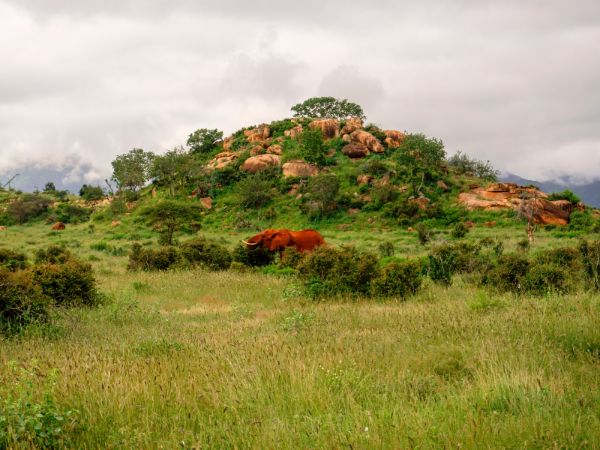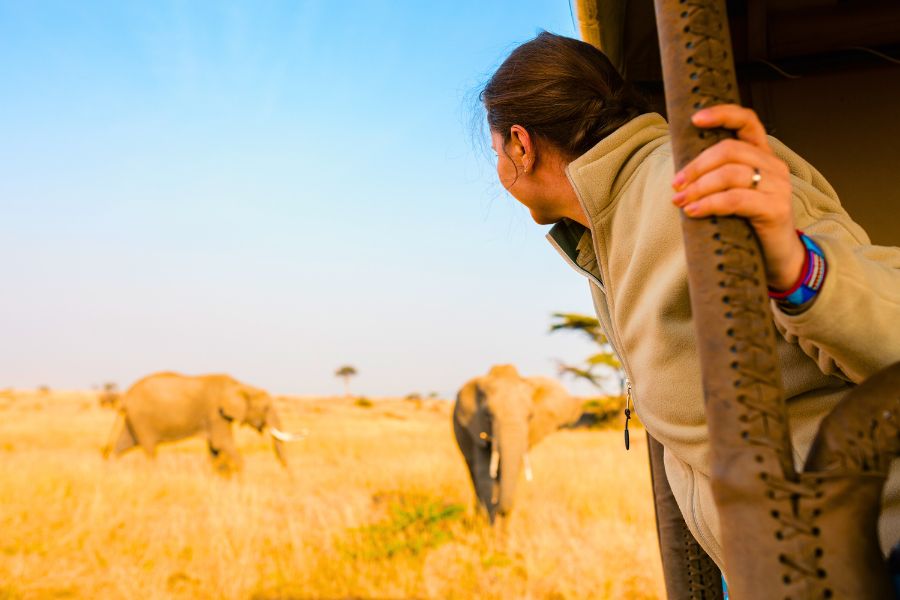
There's something incredibly liberating about gripping the steering wheel as you navigate dusty trails with elephants crossing ahead and zebras grazing alongside your vehicle. That's the magic of a self drive safari Kenya experience: complete freedom to explore at your own pace without tour guides rushing you along. I'll be honest, planning my first Kenya self drive adventure felt overwhelming, but once I hit the road, I realized it was one of the best decisions I'd ever made.
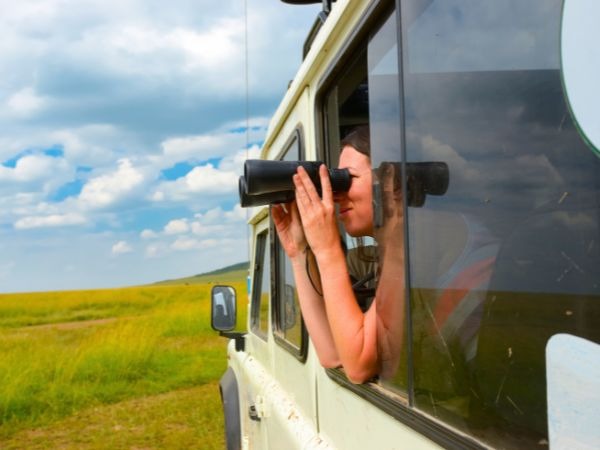
Let's face it: organized tours have their place, but they can't match the spontaneity of pulling over whenever a leopard decides to nap in a tree above you. A DIY safari Kenya trip gives you control over your schedule, your stops, and your budget. Want to watch the sunrise at Amboseli with Kilimanjaro in the background? You're the boss.
Beyond flexibility, there's the cost factor. Group tours can run $200-500 per person daily, while a self-drive adventure might cost half that, especially if you're traveling with family or friends. Plus, you'll have authentic interactions with local communities when you stop for directions or a meal: experiences that tour buses simply don't provide.
The sense of accomplishment? Unbeatable. There's genuine pride in navigating Kenya's diverse landscapes independently, from the Great Rift Valley's dramatic escarpments to the savannah plains where wildlife roams freely.
Here's where many first-timers stumble: underestimating the importance of proper documentation. For your independent safari Kenya journey, you'll need park entry permits, which vary by location. Jomo Kenyatta International Airport arrivals should budget $60-80 per adult for popular parks like Maasai Mara, while Amboseli runs around $60 daily.
International travelers need a valid driver's license and International Driving Permit (IDP). Trust me, rangers at park gates will check. Kenya also requires third-party insurance minimum, though I'd strongly recommend comprehensive coverage. Check out everything tourists should know about car insurance in Kenya before committing to a policy.
Most parks accept M-Pesa or card payments now, but cash remains king in remote areas. Keep some Kenyan shillings handy for small villages and roadside stops.
Not all vehicles handle Kenya's terrain equally. For a proper self guided safari, you'll need a 4x4 with decent ground clearance. During rainy season (March-May, October-December), this becomes non-negotiable: I've seen sedans stuck axle-deep in mud.
Look for vehicles with:
Nairobi downtown pickup locations offer the widest vehicle selection. Book well in advance, especially during peak season (July-October). For families, consider how to choose the ideal family vehicle for comfort on longer drives.
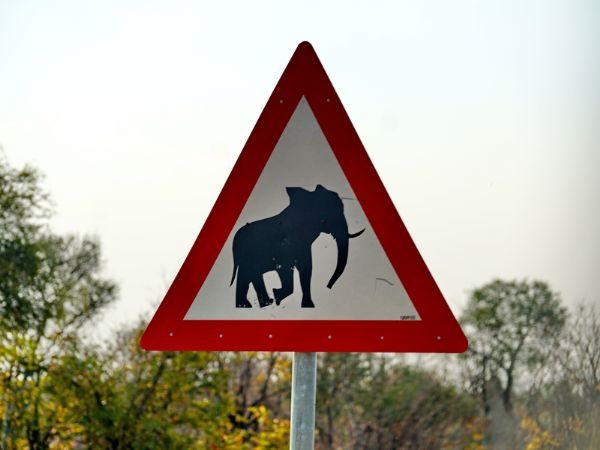
Kenya drives on the left: if you're from right-hand-drive countries, give yourself time to adjust before tackling wildlife areas. Speed limits inside parks hover around 40 km/h, and there's good reason: animals have right-of-way, always.
Never exit your vehicle unless you're in designated safe zones. That "friendly" baboon? He's probably after your snacks and won't hesitate to get aggressive. Lions may look lazy, but they're apex predators: respect their space.
Early mornings (6-9 AM) and late afternoons (4-6 PM) offer the best wildlife viewing. Animals rest during midday heat, and honestly, so should you.
Before heading out, review what international tourists need to know before driving in Kenya for road rules and local driving customs.
Don't try cramming everything into one trip. Kenya's massive, and rushing between parks means missing the magic. For first-timers, I recommend the "Northern Circuit": Nairobi to Amboseli to Tsavo East and back to Nairobi over 5-7 days.
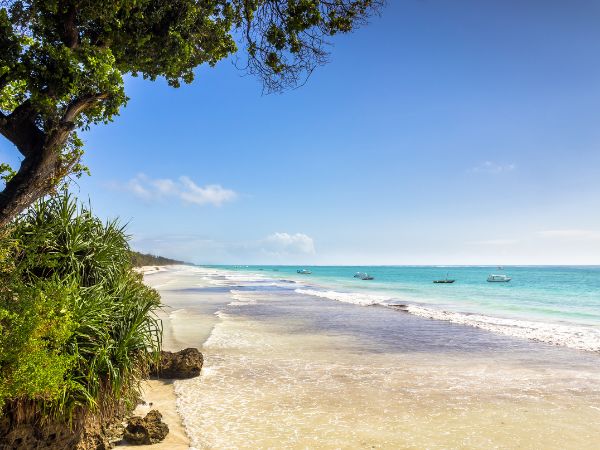
Want something different? The best road trip routes to see Kenya's top sights covers alternative itineraries. The coastal route from Nairobi to Mombasa adds beach relaxation to wildlife adventures.
Budget 6-8 hours driving daily maximum. Kenya's roads demand concentration, and fatigue leads to mistakes. Build in rest days: safari fatigue is real.
A self-drive safari in Kenya isn't just a vacation; it's a transformative journey that connects you with nature in ways guided tours simply can't replicate. Yes, it requires more planning and confidence, but the rewards (freedom, flexibility, and unforgettable memories) make every bit of preparation worthwhile.
Ready to start your engines? Explore Lake Nakuru or discover ten breathtaking places you'll love exploring in Kenya. Your Kenyan adventure awaits, on your terms.