Driving in Kenya offers travellers the opportunity to explore everything from lively city streets to scenic national parks and coastal roads. However, many visitors make simple driving mistakes that can lead to unnecessary stress, fines, or safety risks during their trip. Being aware of local rules, road conditions, and proper trip preparation can make a big difference in ensuring a smooth and enjoyable journey.
With the right planning and a reliable vehicle from Final Rentals, tourists can travel confidently and focus on enjoying Kenya’s beautiful landscapes and unique experiences. Before setting off, it is important to understand the basic driving rules and road practices that guide daily traffic in Kenya.
Driving in Kenya can be very different from what many tourists are used to. Understanding local driving rules is essential to avoid fines, accidents, or stressful situations on the road. Here are key points to keep in mind:
Choosing the right vehicle is crucial for a smooth and enjoyable road trip in Kenya. The country’s roads vary greatly, from city highways to rough rural tracks, so picking the proper car can make a big difference. Here are key considerations:
Renting the correct vehicle ensures you are prepared for every type of road, from highland passes to dusty savannah trails.
Running out of fuel in Kenya, especially in remote areas, is a common issue that can be avoided with proper planning. Petrol stations are plentiful in major cities but can be sparse on highways and rural routes. Tourists often underestimate distances between fuel stops, leading to stress and delays. It is advisable to fill up your tank whenever you leave a major town or city.
Using a fuel map or app can help track petrol stations along your route, and carrying a spare fuel container is recommended when driving in remote areas. Planning not only prevents unexpected stops but also keeps your journey safe and uninterrupted.
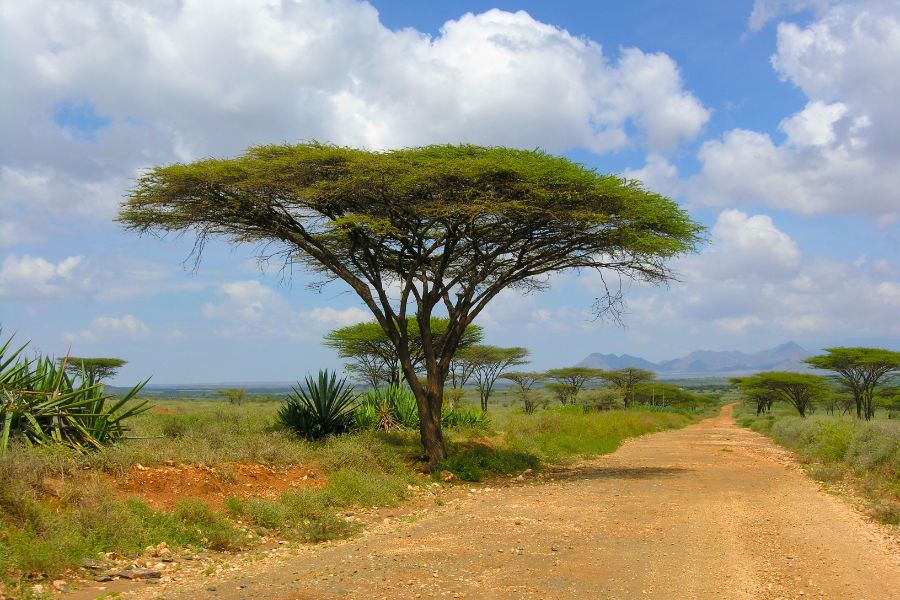
Road conditions in Kenya can be unpredictable, particularly during the rainy season. Potholes, gravel tracks, and occasional floods make careful driving essential. Many tourists are unprepared for such conditions, which can damage their vehicles or lead to accidents.
Driving slowly on unpaved roads, avoiding night driving in rural areas, and keeping an eye on weather forecasts are practical ways to stay safe. For longer journeys, researching the route in advance and asking for advice from locals or the car rental team can provide valuable insight into road conditions and safe travel paths.
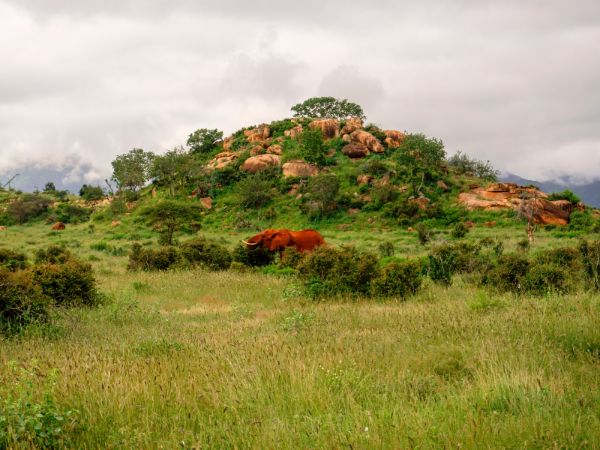
Kenya’s wildlife is one of its main attractions, but tourists often forget that animals and pedestrians can appear unexpectedly on the road. National parks, reserves, and even rural highways may have animals crossing, and towns or villages often have pedestrians walking along the roadside.
Driving too fast or being distracted can easily lead to accidents. Always reduce speed when approaching parks, reserves, and local settlements, and make use of designated viewing areas to stop safely and observe wildlife. Being alert and patient ensures a safer experience for both you and the animals.
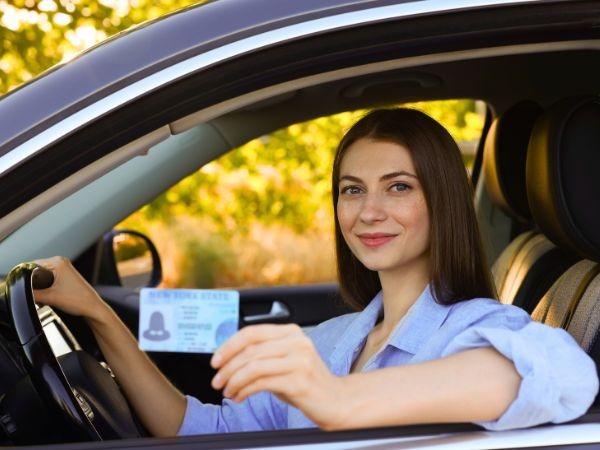
Having the proper documents is essential for a smooth and stress-free driving experience in Kenya. Many tourists overlook this and face fines or delays. Here are the key points to keep in mind:
Starting a trip without a planned route is a common oversight that can lead to unnecessary detours, missed attractions, or getting lost. Relying solely on GPS may not be sufficient, especially in areas with poor network coverage. Planning your route, including rest stops, fuel stations, and overnight accommodations, is crucial.
It is also helpful to keep offline maps or a physical map as a backup. The car rental team can provide recommendations for safe and scenic routes, helping you to maximise your travel experience while avoiding common pitfalls.
Night driving in Kenya presents several risks, including unlit roads, stray animals, pedestrians, and vehicles without proper lights. Many tourists underestimate these hazards, putting themselves at risk of accidents or breakdowns.
If night driving is unavoidable, reduce speed, stay alert, and use high-beam headlights when appropriate. Planning journeys to avoid driving after dark is the safest approach and ensures that you arrive at your destination without incident.
Driving safely in Kenya involves more than following traffic rules and also includes respecting local culture and road etiquette. Matatu drivers often have unique driving habits, and pedestrians expect drivers to give way in towns and villages. Aggressive driving or ignoring these practices can create tension or dangerous situations.
Being patient, courteous, and observant allows for smoother interactions on the road. Learning basic Swahili phrases, such as asking for directions or understanding local signs, can also improve communication and ease travel.
Many tourists overlook the importance of safety equipment, but it is essential for any journey in Kenya. Some visitors rent vehicles without checking for items like a spare tyre, first aid kit, or warning triangle, which can be crucial in an emergency. Final Rentals provides fully equipped vehicles, giving travellers peace of mind and confidence on the road. Carrying additional items such as a fire extinguisher, extra water, and basic tools ensures you are prepared for any unexpected situations during your trip.
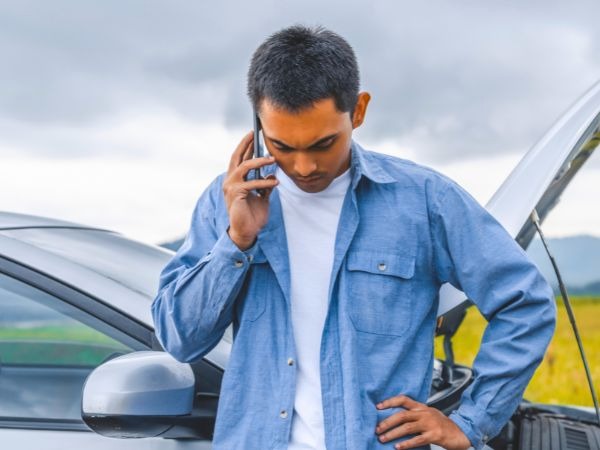
Network coverage can be unreliable in remote areas, so it is important to prepare for emergencies. Tourists often make the mistake of not having local emergency numbers, offline maps, or backup power sources. Saving contacts for the police, medical services, and roadside assistance can be life-saving. Keeping a fully charged power bank and downloading offline maps before setting off ensures you are prepared, even in areas without mobile coverage.
During high season or festival periods, failing to book accommodation in advance can lead to frustration and wasted time. Many tourists assume they can find a room upon arrival, only to discover that lodges and campsites are fully booked. Pre-booking your stays along your route saves time and stress. Lodges or hotels near your driving route reduce long detours and make your road trip more efficient. Flexible cancellation policies can also help adjust plans if needed.
Distances in Kenya can be deceiving, and tourists often underestimate the time it takes to reach destinations. Poor roads, traffic, wildlife crossings, and road construction can significantly increase travel time. Allowing extra hours for each journey and planning breaks every two to three hours ensures you remain alert and avoid fatigue. Checking traffic updates in cities such as Nairobi or Mombasa before setting off is also useful. Proper time management makes your road trip more enjoyable and safer.
One of the most important decisions is choosing a trustworthy car rental service. Unreliable companies may provide poorly maintained vehicles, hidden charges, or incomplete insurance coverage. Using Final Rentals ensures you get a well-maintained car, proper insurance, and 24/7 customer support. This peace of mind allows you to focus on exploring Kenya rather than worrying about vehicle issues.
Rent a car in Kenya with Final Rentals for a stress-free experience, whether you are on a safari, coastal road trip, or exploring urban areas. With their app, available on Google Play and the App Store, you can conveniently book your vehicle and access assistance anytime, making your journey safer and more enjoyable.
Yes, all foreign tourists are required to carry an international driving permit along with their home country licence for legal driving in Kenya.
A 4x4 SUV is recommended for national parks and rural areas. It handles rough roads, offers better safety, and provides a comfortable ride for long journeys.
It is generally advised to avoid night driving due to poor lighting, stray animals, and unlit vehicles. If necessary, drive slowly and stay alert.
Use fuel tracking apps, offline maps, or ask locals along the route. Carrying a spare fuel container is recommended for remote areas.
Yes, renting a car provides flexibility, independence, and is often more cost-effective, especially for long-distance travel or visiting multiple destinations.